By: Ashley Weiss, Membership & Engagement Director
Clear Lake Area Chamber of Commerce
Long before Clear Lake became known for its jam-packed event calendar and the Surf Ballroom & Museum, it was a natural stopping point for explorers and travelers seeking calm waters, good fishing, and fertile ground.
“The lake has always been a place people are drawn to,” said Beth Ann Schumacher, president of the Clear Lake Historical Society. “Whether it’s for hunting, education, music, or just being by the water, there’s something for everyone.”
Early Days on the Trail of Voyagers
The earliest recorded mention of Clear Lake appears as early as 1718. Early explorers traveling through the Upper Midwest marked the lake as a clear landmark and a valuable stop for fishing, trading, and interaction with Native American tribes.
More than a century later, in 1832, Nathan Boone, the youngest son of American pioneer and frontiersman Daniel Boone, was hired by the territorial governor to find a natural area where Native Americans could move west safely until land disputes were resolved. Boone later described the region around Clear Lake as abundant in fresh water, fish, elk, bison, fox, otter, and other wildlife.
“It was a haven,” Schumacher said.
In 1851, James Dickinson and Joseph Hewitt set out from Strawberry Point, Iowa, after hearing stories of large bison herds near Clear Lake. Nearly a hundred were reportedly seen, each weighing close to a ton. Their arrival marked the beginning of Clear Lake’s permanent settlement, and over the next two decades, the community began to take shape and grow.
The Chautauqua Era and Early Tourism
The Chautauqua Era added a new chapter to Clear Lake’s story. Beginning in 1875, the Chautauqua brought lectures, musical performances, and appearances by nationally known figures such as Carrie Nation, women’s Christian Temperance Union leaders, and evangelists like Billy Sunday and his wife, Nell.
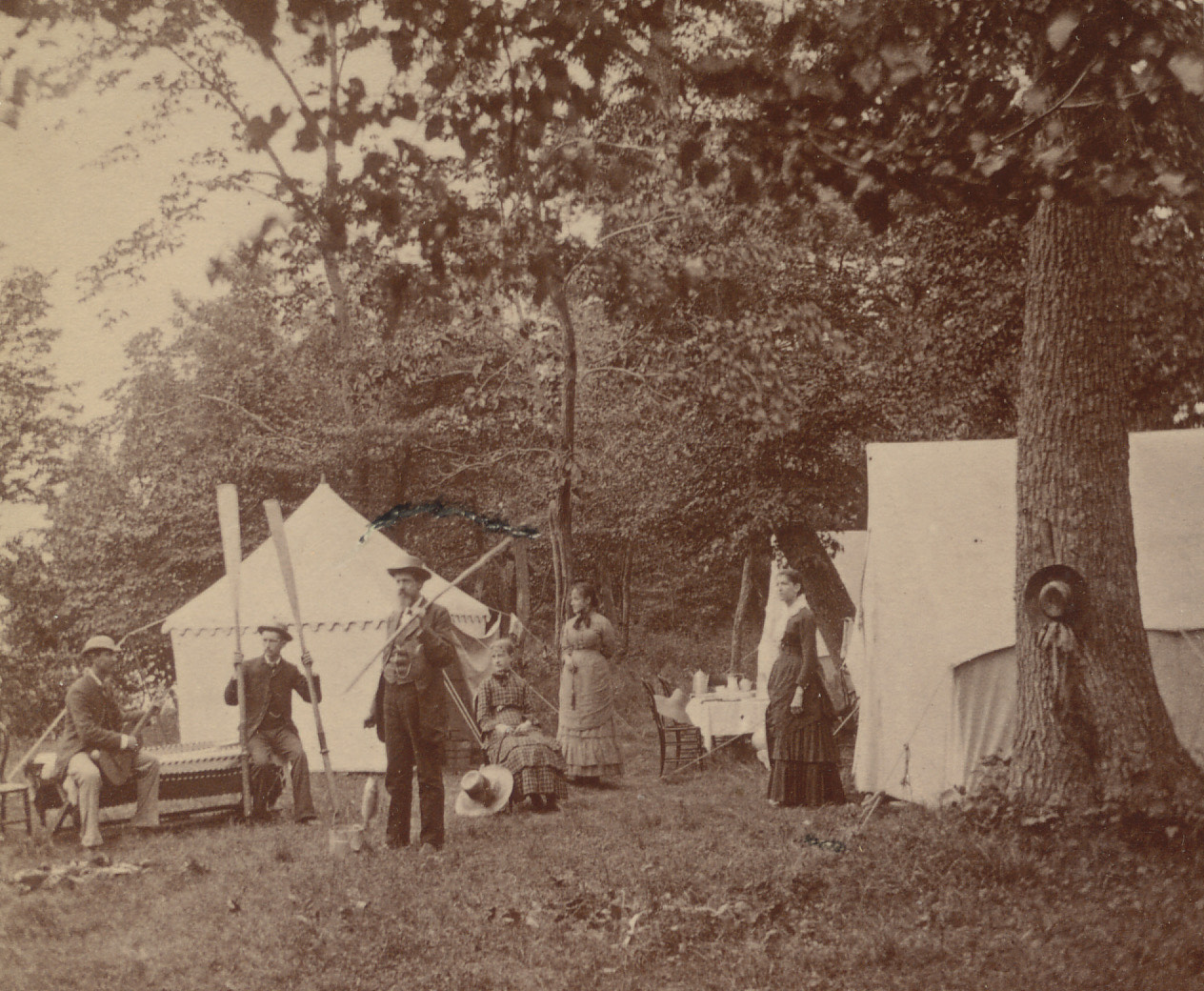
Chautauqua events were built around family learning and entertainment. Visitors came for the summer, stayed for weeks, and immersed themselves in music, education, and recreation. Some pitched tents or stayed in cabins along the lake, while others attended lectures by day and concerts by night.
Clear Lake soon earned the nickname “The Saratoga of the West,” a nod to Saratoga Springs, New York, which was known as a resort community with a refined, restorative atmosphere.
Changing Attractions Through the Years
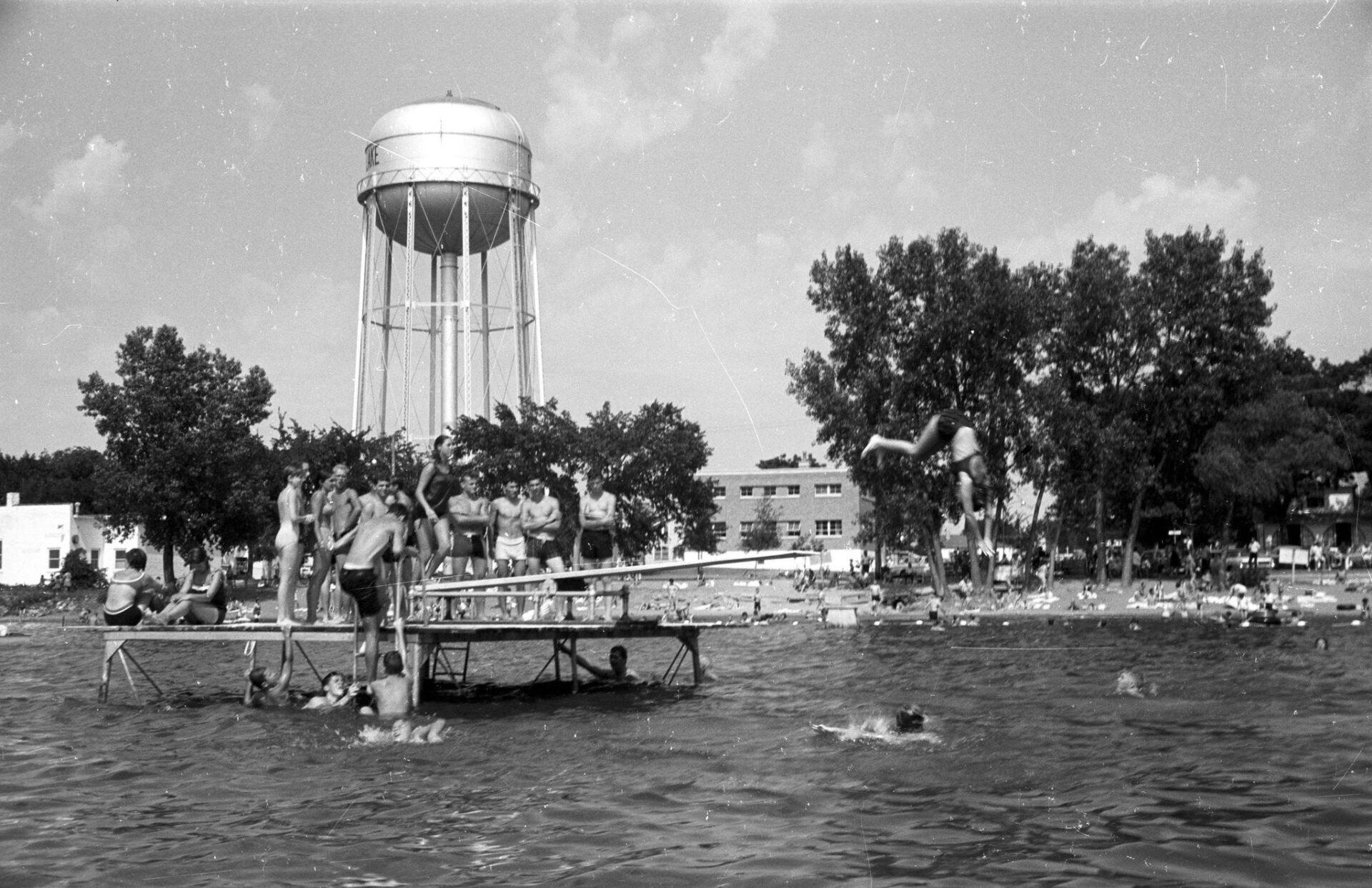
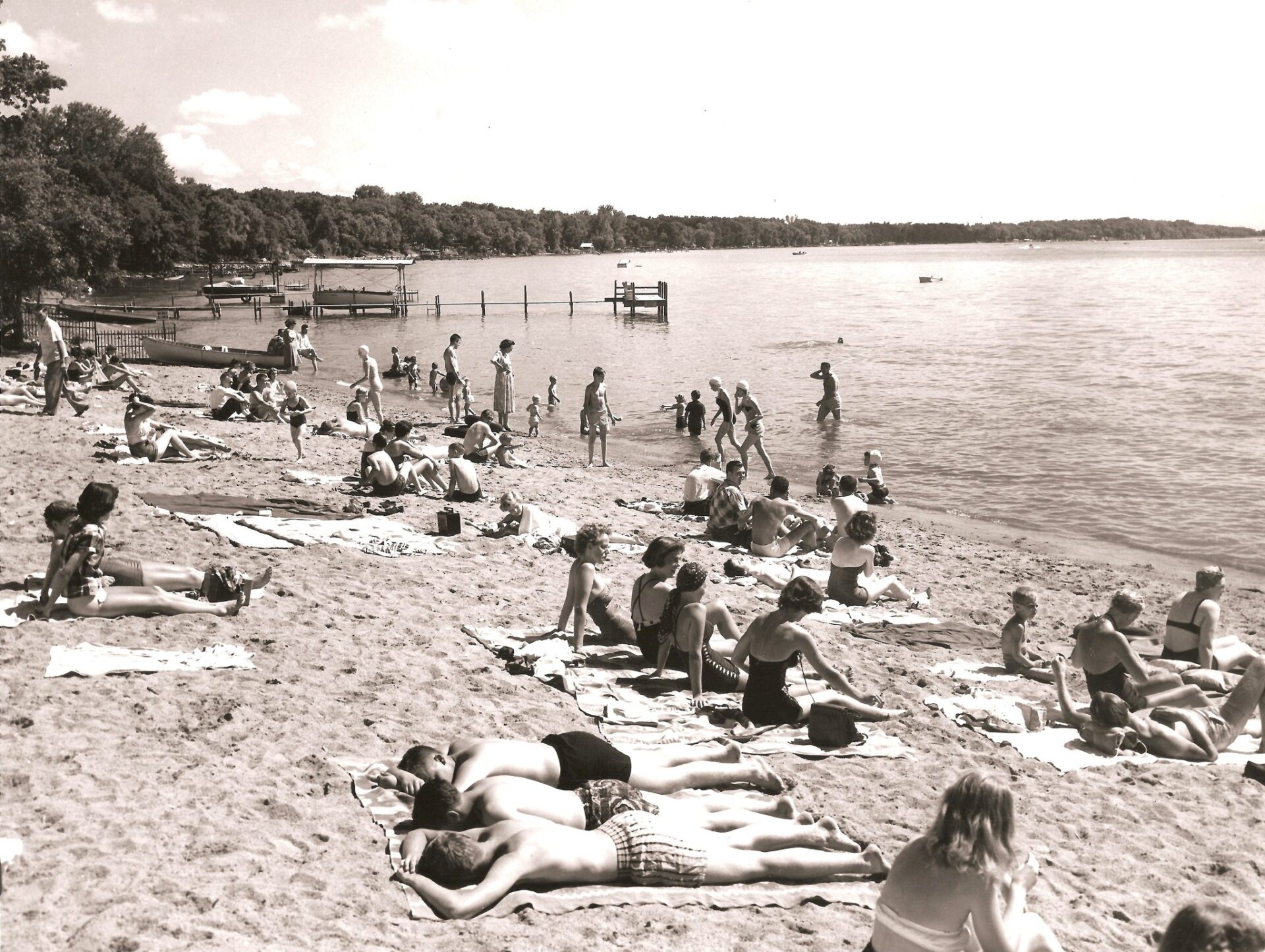
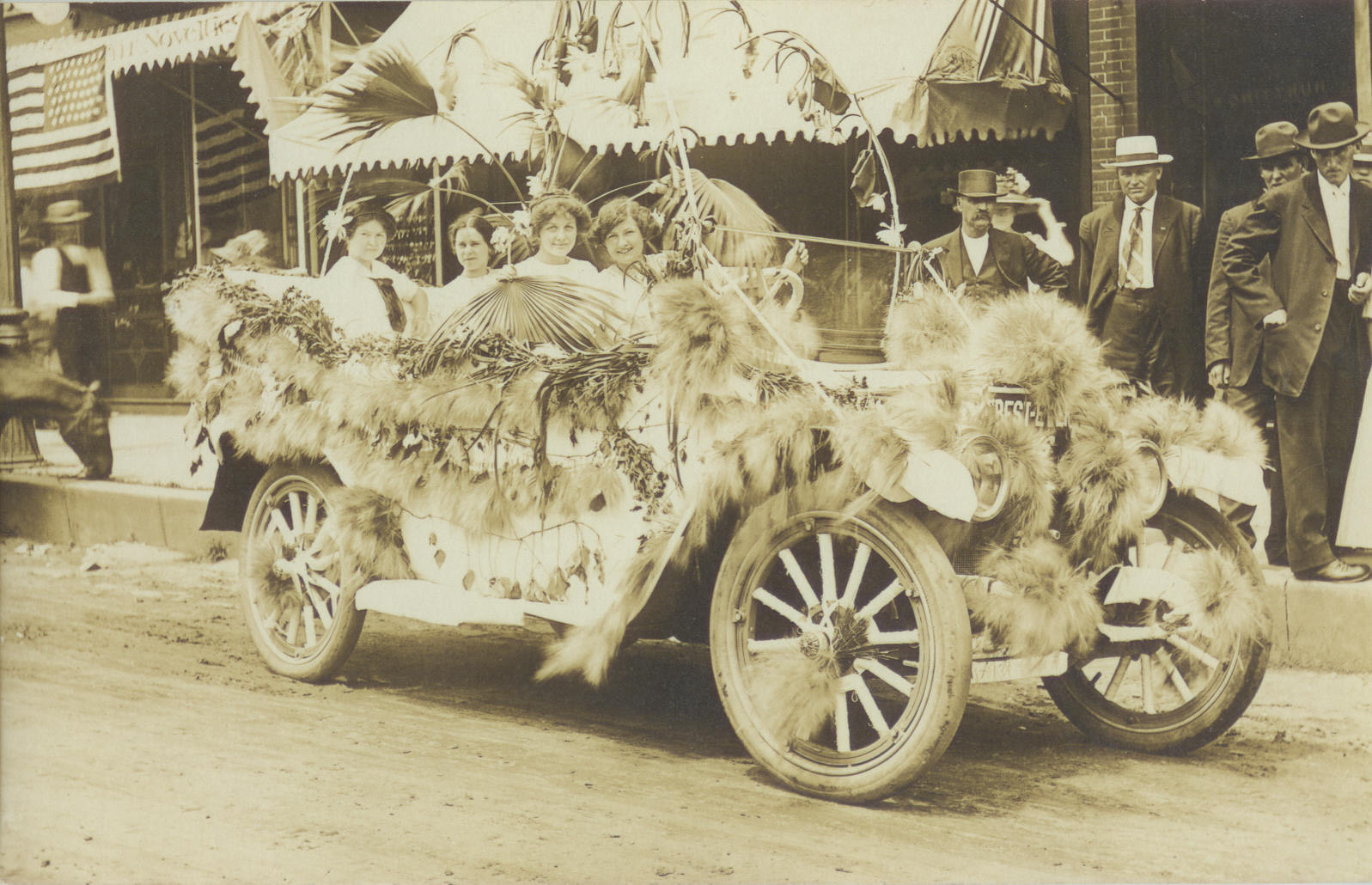
As tastes changed, so did Clear Lake. When the Chautauqua ended in 1917, Bayside Amusement Park opened, reflecting the growing popularity of amusement attractions. Visitors rode roller coasters, ball fields and lakeside amusements took center stage, and dancers filled the park’s large ballroom. The park eventually closed, but the lake itself remained the heart of activity—supporting swimming, boating, and fishing for residents and visitors alike.
In the 1930s, Clear Lake shifted its branding to “Saratoga of the West” to “Iowa’s Vacation Capital,” a slogan that stuck for decades.
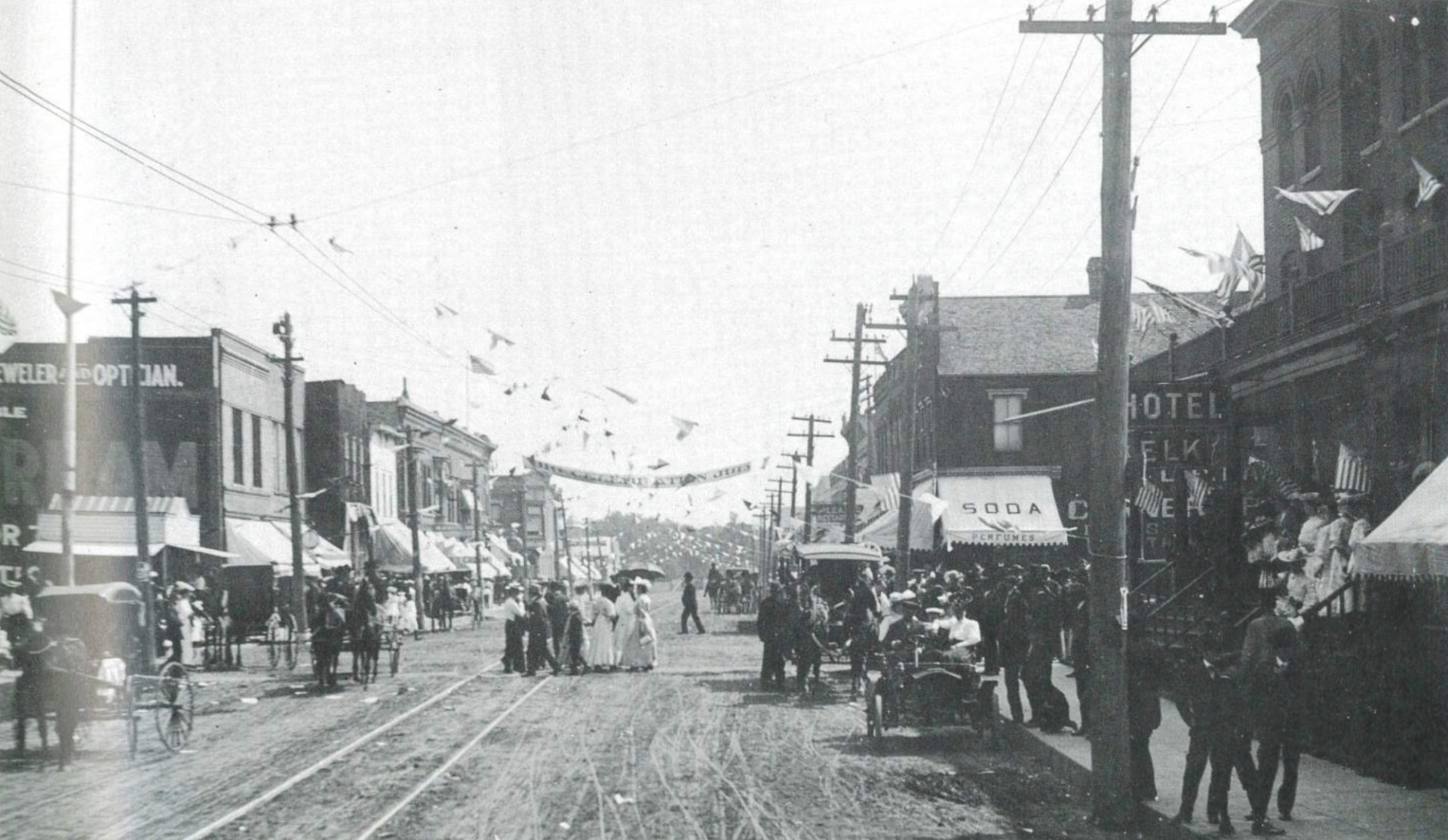
By the mid-20th century, Clear Lake had cemented its identity as a tourism destination, drawing statewide attention through marquee events and attractions.
Tourism Then and Now
Clear Lake has never stopped reinventing itself.
Signature events like TRI Clear Lake, Thursdays on Main, the Fourth of July Celebration, and Harvest Festival bring tens of thousands of visitors to town each year. According to the Clear Lake Chamber of Commerce, community events contribute an estimated $20 million annually to the local economy—before factoring in additional tourism spending from fishing tournaments, sailing regattas, and weekend visitors who come simply to enjoy the lake.
A quote displayed throughout the community captures the spirit perfectly:
“We’ve got a charming community on a really lovely lake.”
Modern tourism looks different than it did a generation ago. While hotels continue to welcome vacation rentals and short-term stays, many families now stay for a week or more, supporting local restaurants, retailers, and attractions in ways that extend well beyond a single weekend.
The Chamber has worked to build on that momentum by promoting Clear Lake as a true four-season destination, with winter events like Christmas by the Lake and the Color the Wind Kite Festival drawing visitors well beyond summer.
“The draw is the lake,” Schumacher said. “The lake always provides something—whether it’s fishing and hunting, camping, swimming, or just being near it. And we build on that. The lake is the heart of everything.”
A Legacy That Lasts
Standing along the lakeshore today, it’s easy to see why. The same waters that once reflected French traders and Native American canoes now mirror sailboats, festivals, and families making new memories.
“There’s always something happening that will draw people here,” Schumacher said. “We’ve got a charming community on a really lovely lake. It tells you something about why people want to come here. There’s just something magical about it.”
Clear Lake has always been a destination—not because of one attraction or one moment in time, but because it continues to adapt, welcome, and invite people back, generation after generation.